
Why Use Tweed for Upholstery

Why Use Tweed for Upholstery?
When customers ask me why tweed remains one of the most popular upholstery fabrics despite the huge range of modern alternatives available, my answer is usually quite simple: it offers a combination of character, practicality and longevity that is difficult to find elsewhere.
Some fabrics look fantastic in a showroom but can feel out of place after a few years. Tweed is different. It has a timeless quality that works just as well in a country cottage as it does in a contemporary home. More importantly, it is a fabric that is designed to be lived with rather than simply admired. SPRUCE LONDON TWEED
Tweed Adds Character to Furniture
One of the main reasons people choose tweed is because it brings warmth and texture to a room.
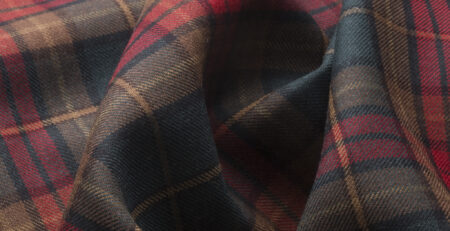
A plain fabric can sometimes feel flat on a large sofa or armchair. Tweed has natural depth, subtle colour variation and visual interest woven into the fabric itself. Even quieter tweeds tend to have a richness that gives furniture personality without dominating the room.
I often find that customers initially focus on colour, but after receiving fabric samples they become just as interested in the texture and character of the cloth itself.
Is Tweed Durable Enough for Upholstery?
This is one of the most common questions I hear.
In my experience, quality tweed is one of the most practical upholstery fabrics available. Many wool-rich tweeds have been developed specifically for furnishing applications and are designed to cope with the demands of everyday use.
The textured surface also tends to disguise minor wear and day-to-day use better than many plain fabrics.
For busy family homes, that’s often a major advantage.
Understanding Martindale Ratings
If you’re comparing upholstery fabrics, you’ll probably come across the term Martindale rating.
The Martindale test measures a fabric’s resistance to abrasion. In simple terms, it helps indicate how well a fabric is likely to cope with regular use.
As a general guide:
- Up to 15,000 rubs: occasional domestic use
- 15,000 – 25,000 rubs: general domestic upholstery
- 25,000+ rubs: heavy domestic use
- 40,000+ rubs: demanding domestic and many commercial environments
While Martindale ratings are useful, I would never choose a fabric on that figure alone. The most important question is whether the fabric is suitable for the way you intend to use it.
Wool Tweed’s Natural Advantages
One aspect of tweed that is often overlooked is the performance of wool itself.
Many wool-rich tweeds benefit from properties that occur naturally within the fibre rather than being added through chemical treatments.
Naturally Fire Resistant
Wool is naturally fire resistant and naturally flame retardant. Unlike many synthetic fibres, wool does not ignite easily and will often self-extinguish when the source of ignition is removed.
This natural fire-resistant quality is one of the reasons wool has been used in furnishings for generations.
Naturally Stain Resistant
Wool also has natural stain-resistant qualities.
The structure of the fibre provides some resistance to dirt and liquids, helping to slow absorption and giving you more time to deal with everyday spills.
No fabric is completely stain proof, but many customers are pleasantly surprised by how forgiving quality wool tweeds can be in everyday use.
Tweed Ages Gracefully
One of the reasons I continue to recommend tweed is that it tends to age exceptionally well.
Many fabrics look their best when they are first installed and gradually lose their appeal over time. Tweed often does the opposite. It develops character and becomes part of a room rather than simply sitting within it.
A quality tweed armchair or sofa often looks just as comfortable and welcoming years later as it did on the day it arrived.