Tartan Fabric: A Guide to Choosing the Right Tartan for Your Home
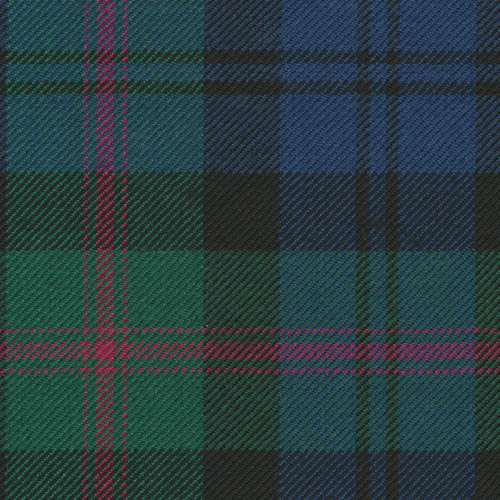
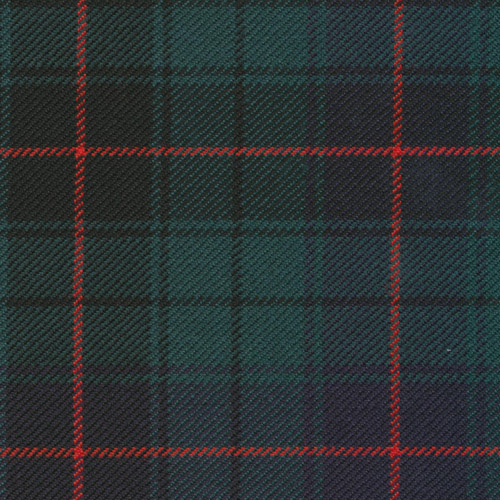
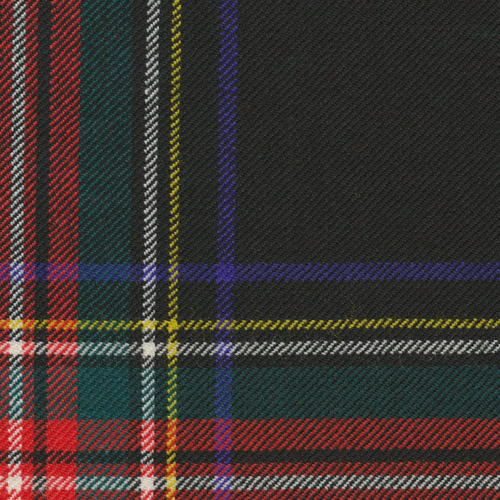
Tartan remains one of the most distinctive and enduring furnishing fabrics available. Whether used for curtains, upholstery or decorative accessories, tartan has the unique ability to add warmth, character and personality to an interior.
Customers often ask me whether a particular tartan is best suited to curtains or upholstery, but in reality the decision usually starts somewhere else. The first question is often:
Which tartan feels right for my home?
Once you've answered that question, deciding how and where to use it becomes much easier.
At Spruce London, we have assembled one of the UK's most extensive tartan furnishing fabric collections, bringing together tartans from multiple Scottish weaving sources. This allows customers to compare a wide range of colours, scales and styles in one place rather than being limited to a single collection. Order a Sample
Why Has Tartan Remained So Popular?
Unlike many interior design trends, tartan has never really disappeared.
Part of its appeal comes from its versatility. A tartan can feel traditional and timeless in a country cottage, sophisticated in a period home and surprisingly contemporary when used within a modern interior.
Tartan brings together:
- Pattern
- Colour
- Texture
- Heritage
- Character
Few fabrics add so much personality to a room so quickly.
Traditional, Contemporary and Weathered Tartans
One of the biggest misconceptions about tartan is that all tartans look similar.
In reality there are enormous differences in both character and appearance.
Traditional Tartans
Traditional tartans often feature stronger colours and more recognisable historic patterns.
These work particularly well in:
- Country houses
- Period properties
- Libraries
- Snugs
- Traditional living rooms
Contemporary Tartans
Contemporary tartans often use softer colour palettes and cleaner combinations.
These can work beautifully in:
- Modern homes
- Townhouses
- Contemporary apartments
- Open-plan living spaces
Weathered Tartans
Weathered tartans have become increasingly popular because of their more relaxed appearance.
The softer colour palette often works particularly well where customers want the interest of tartan without the stronger contrast associated with some traditional designs.
Choosing the Right Tartan Colours
When helping customers choose tartan fabric, colour is often the deciding factor.
Green Tartans
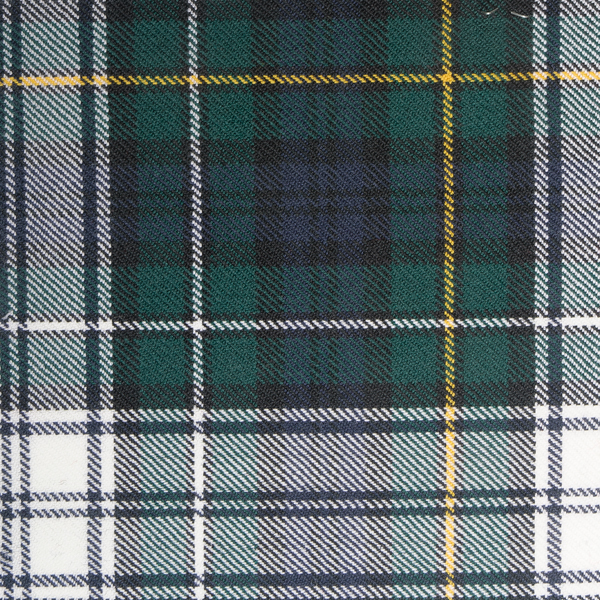
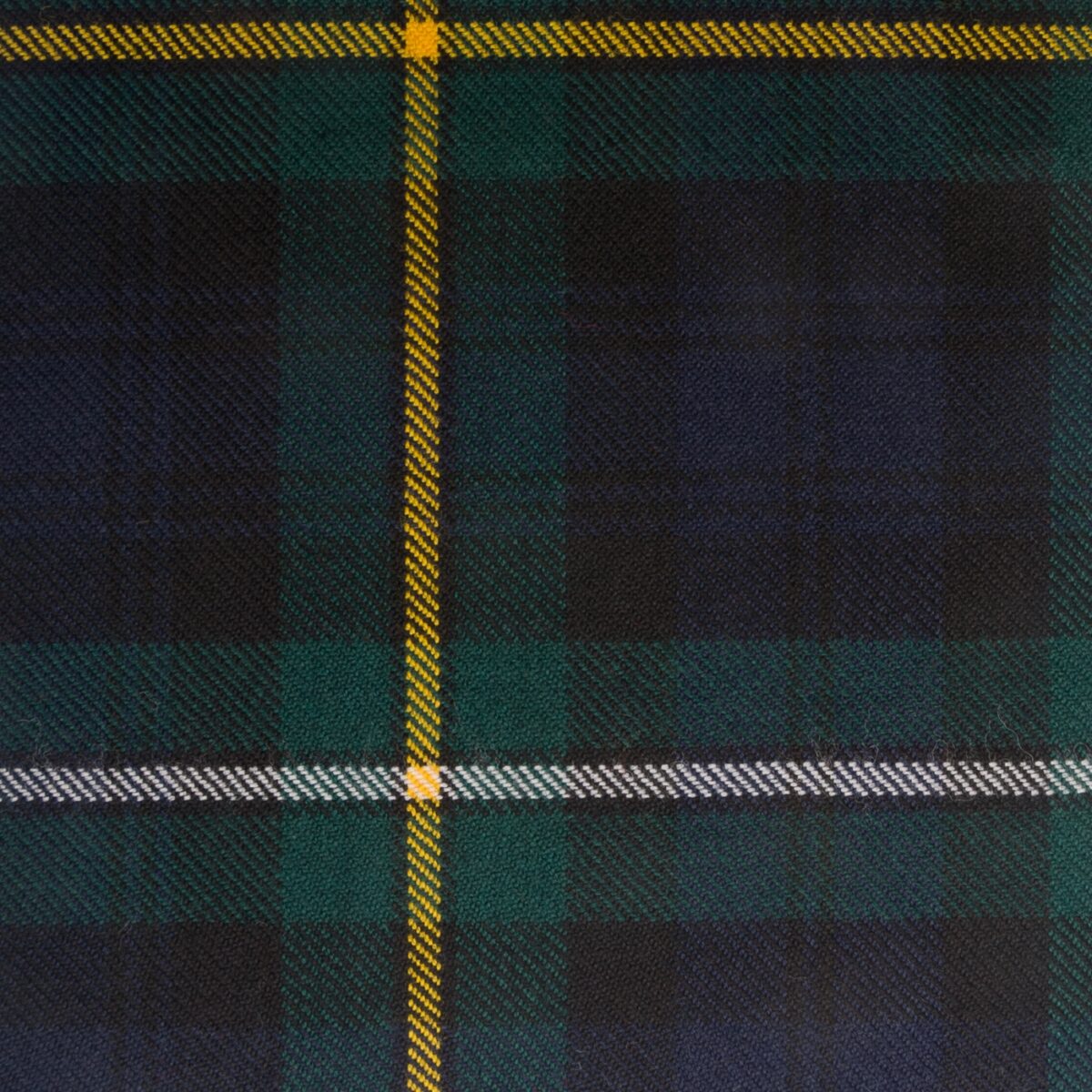
Green tartans create a natural and relaxed feel and pair beautifully with:
- Oak furniture
- Natural stone
- Country-style interiors
Blue Tartans
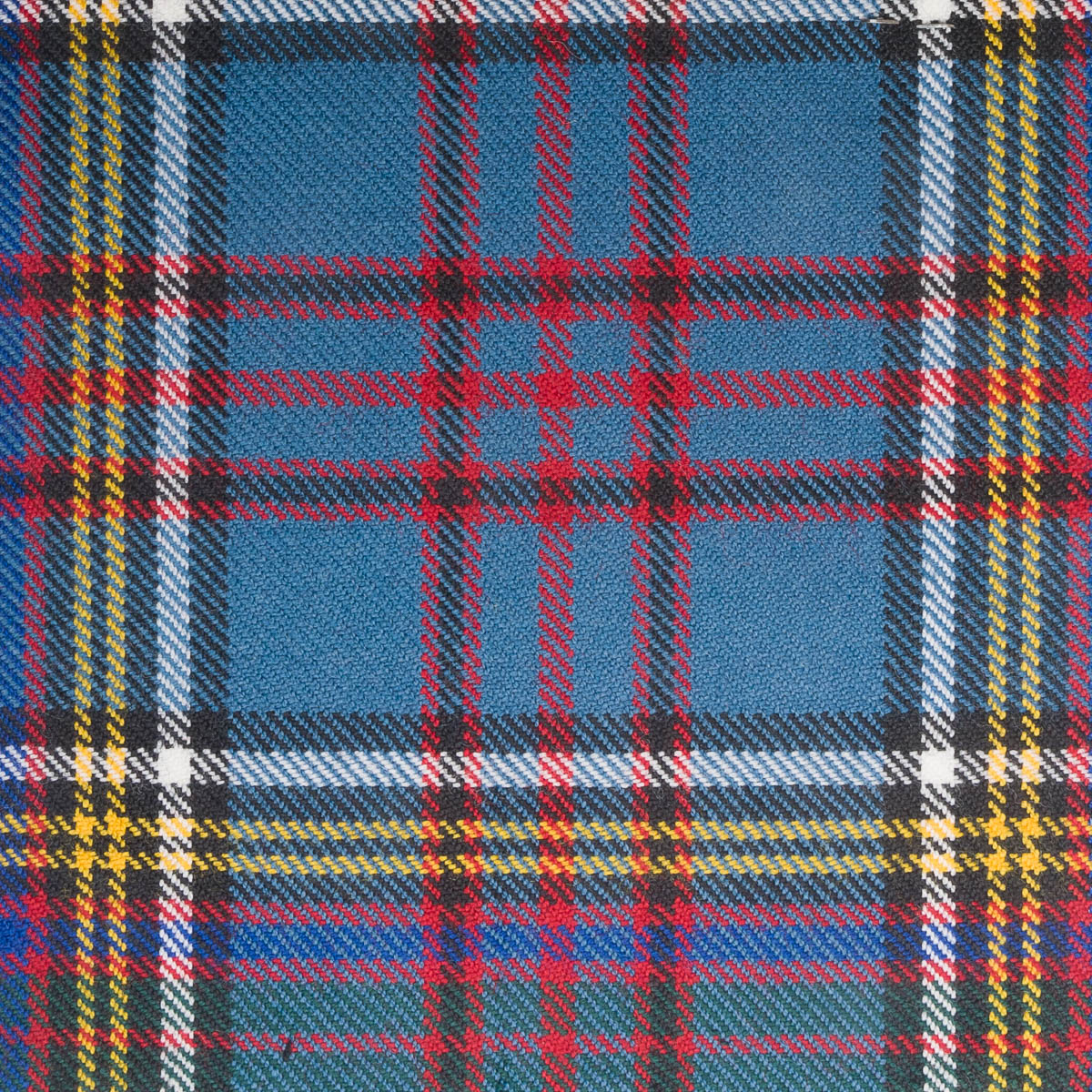
Blue tartans tend to feel calm, sophisticated and versatile.
They work particularly well with:
- Neutral interiors
- Coastal influences
- Painted furniture
Red Tartans
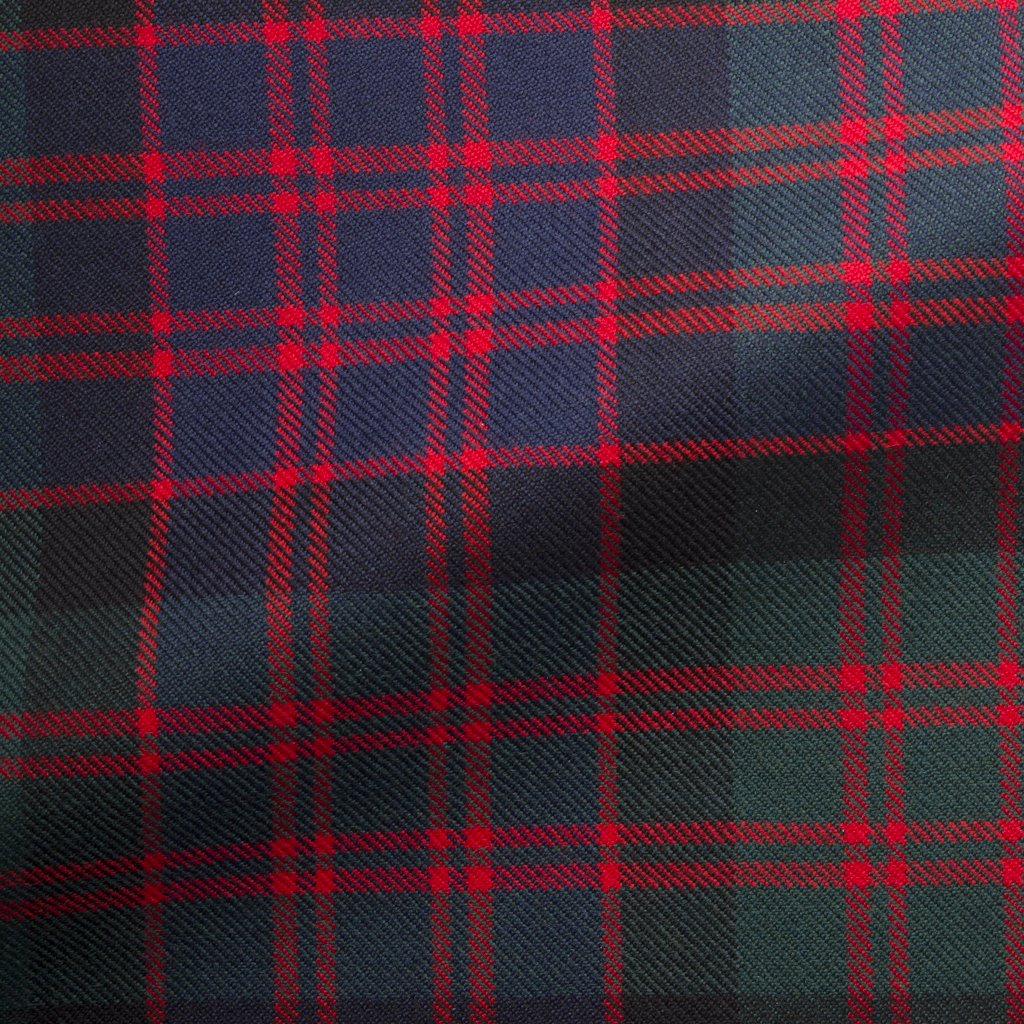
Red tartans often create warmth and become a focal point within the room.
They remain particularly popular in traditional interiors.
Neutral and Earthy Tartans
These offer a softer approach and are often easier to integrate into existing colour schemes.
Pattern Scale Matters
One thing customers often overlook is the importance of pattern scale.
A tartan that appears subtle on a small sample can become a major design feature when used across a large sofa or expansive curtains.
Before making a decision, it's important to consider whether you want the tartan to:
- Become a focal point
- Complement existing furnishings
- Introduce subtle pattern
- Create a bold design statement
Ordering samples is often the best way to assess this properly.
Tartan for Curtains
Tartan curtains remain one of the most effective ways of introducing colour and pattern into a room.
They work particularly well in:
- Country cottages
- Bedrooms
- Living rooms
- Chalets
- Period properties
Large windows provide an opportunity for tartan to create visual impact without overwhelming the room.
If you're considering tartan curtains, our guide to choosing tartan curtain fabric can help you evaluate colours, pattern scales and fabric quantities.
Tartan for Upholstery
Tartan upholstery can transform an ordinary piece of furniture into a focal point.
Customers frequently choose tartan for:
- Sofas
- Armchairs
- Footstools
- Window seats
- Headboards
- Dining chairs
Some tartans create bold statement pieces while others provide a more understated and timeless look.
If you're considering furniture projects, our guide to choosing tartan upholstery fabric explains how to assess colours, pattern scale and suitability for everyday use.
Order Samples Before Making a Decision
One of the best pieces of advice I can give is simple:
Order samples.
Photographs are useful, but colours, texture and pattern scale can appear very different once viewed in your own home.
When your samples arrive:
- View them during daylight.
- Assess them in the evening.
- Compare them under artificial lighting.
- Place them alongside existing furnishings.
The tartan that continues to look right in all conditions is usually the strongest choice.
Why Customers Choose Spruce London
Many retailers offer tartans from a single source.
Our approach is different.
By bringing together tartans from multiple Scottish weaving sources, we allow customers to explore one of the UK's most extensive tartan furnishing fabric collections from a single place.
The result is a wider choice of:
- Colours
- Pattern scales
- Traditional tartans
- Contemporary tartans
- Weathered tartans
- Upholstery fabrics
- Curtain fabrics
This makes it far easier to find a tartan that genuinely suits your project.
Frequently Asked Questions
Is tartan suitable for upholstery?
Yes. Many tartan furnishing fabrics are specifically designed for upholstery applications including sofas, armchairs and other furniture.
Does tartan work in modern interiors?
Absolutely. Contemporary and weathered tartans can work exceptionally well within modern interior schemes.
How do I choose the right tartan?
Start by ordering samples and assessing them within the room where they will be used, paying particular attention to colour, lighting and pattern scale.
Should I use tartan for curtains or upholstery?
That depends on your project. Tartan works beautifully for both, and many customers use it throughout a room to create a coordinated interior.